Merlion VR Experience

2025 · Interaction Design · VR Experience Design

Merlion VR explores how immersive technology can help international students overcome homesickness through shared cultural experiences, emotional connection, and meaningful social interaction. Designed as a virtual community rather than a standalone VR experience, the project reimagines how technology can foster belonging for students living away from home.

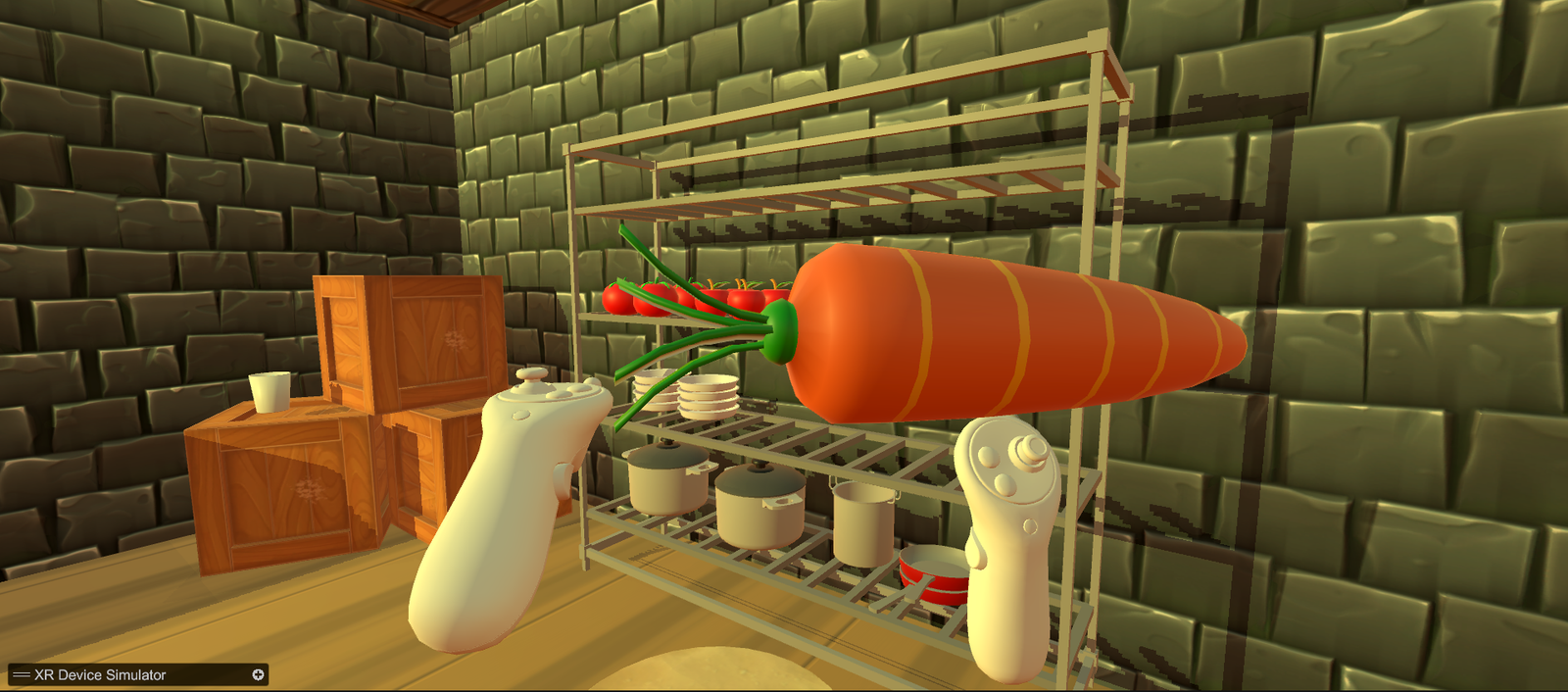
Merlion VR app running on Pico

Context

International students often experience homesickness while adapting to life in Australia. Cultural differences, language barriers, and separation from family can make it difficult to build meaningful relationships and develop a sense of belonging.

Through user research, we identified an opportunity to explore how immersive technology could strengthen emotional wellbeing by helping students maintain cultural connections and meaningful relationships with family and friends overseas.

My Role

As the Interaction Designer within a multidisciplinary team, I was responsible for:

• Planning and conducting user research

• Analysing research findings and identifying key themes

• Developing the concept direction and user experience

• Designing VR interactions and immersive user journeys

• Designing visual assets, prototypes, and presentation materials

Apps/skills involved in this project: Unity Hub, Pixelmator Pro, Procreate, Pages, Final Cut Pro.

Design Philosophy

Rather than recreating a virtual home, Merlion VR was designed around meaningful shared experiences. Every interaction aimed to strengthen emotional connection by combining familiar environments, collaborative activities, and natural VR interactions into a space where students could reconnect with family, culture, and community.

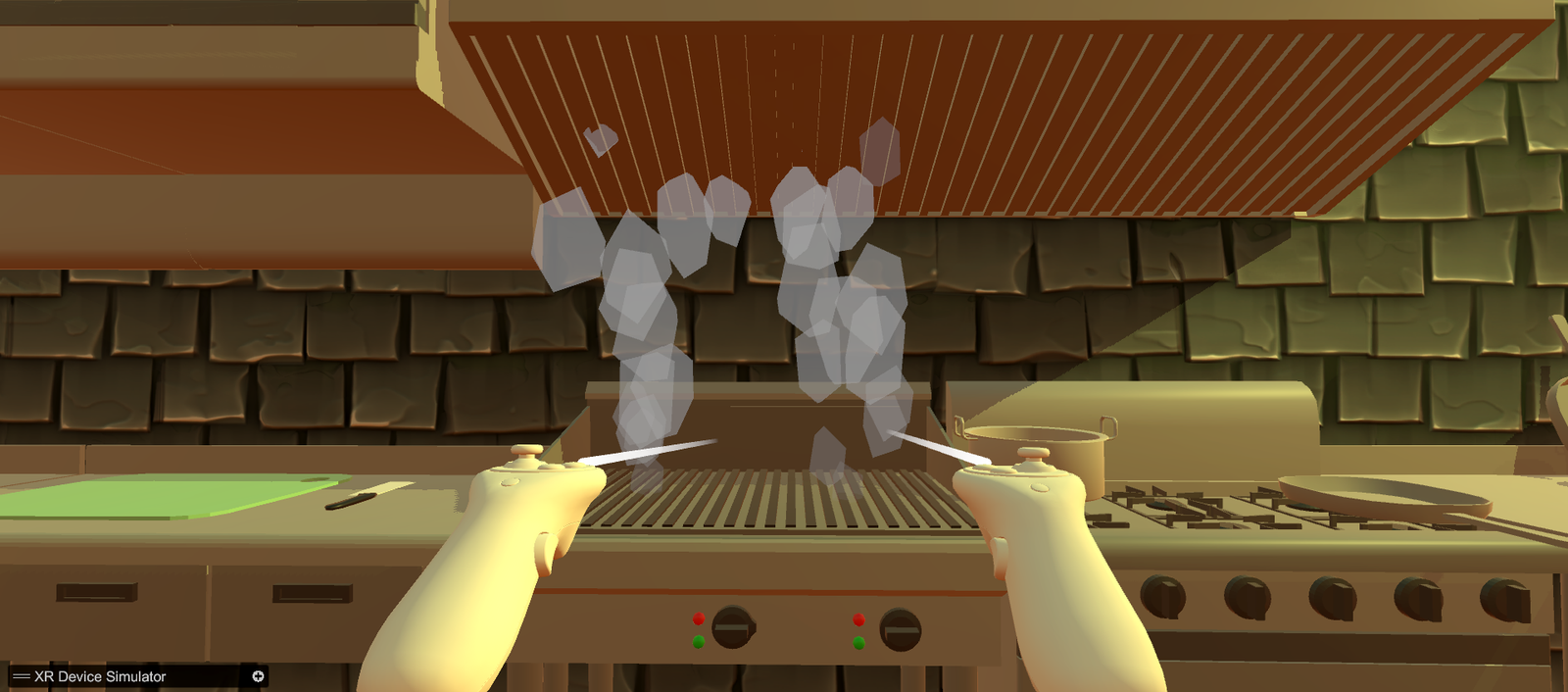
When the stove is activated, animated smoke appears above the grill, helping users understand that the appliance is operating and that cooking is in progress.
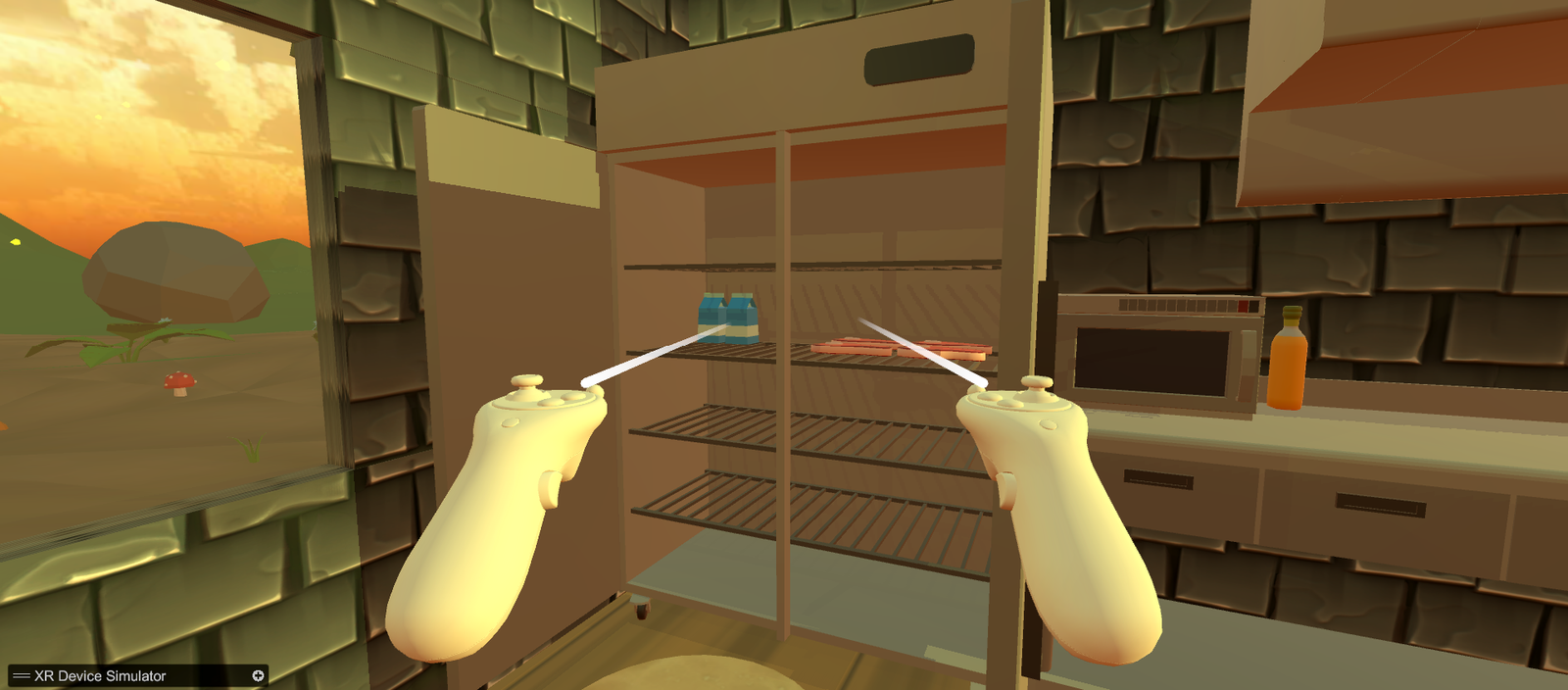
Users can open the refrigerator door to access ingredients, creating a familiar and intuitive interaction that requires little instruction.
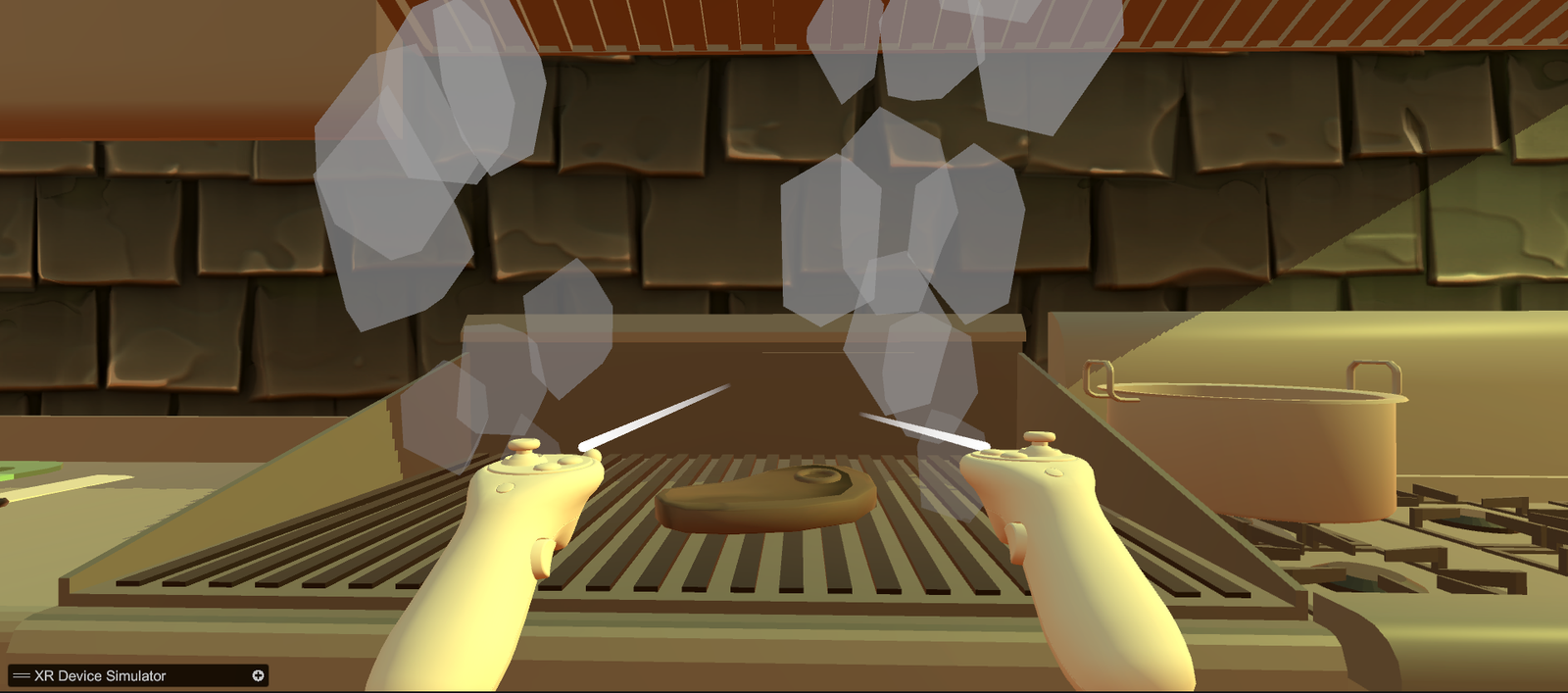
During cooking activities, ingredients respond dynamically to user actions, providing immediate visual feedback. For example, steak changes colour from pink to brown as it cooks, helping users understand cooking progress and creating a more engaging and realistic experience.
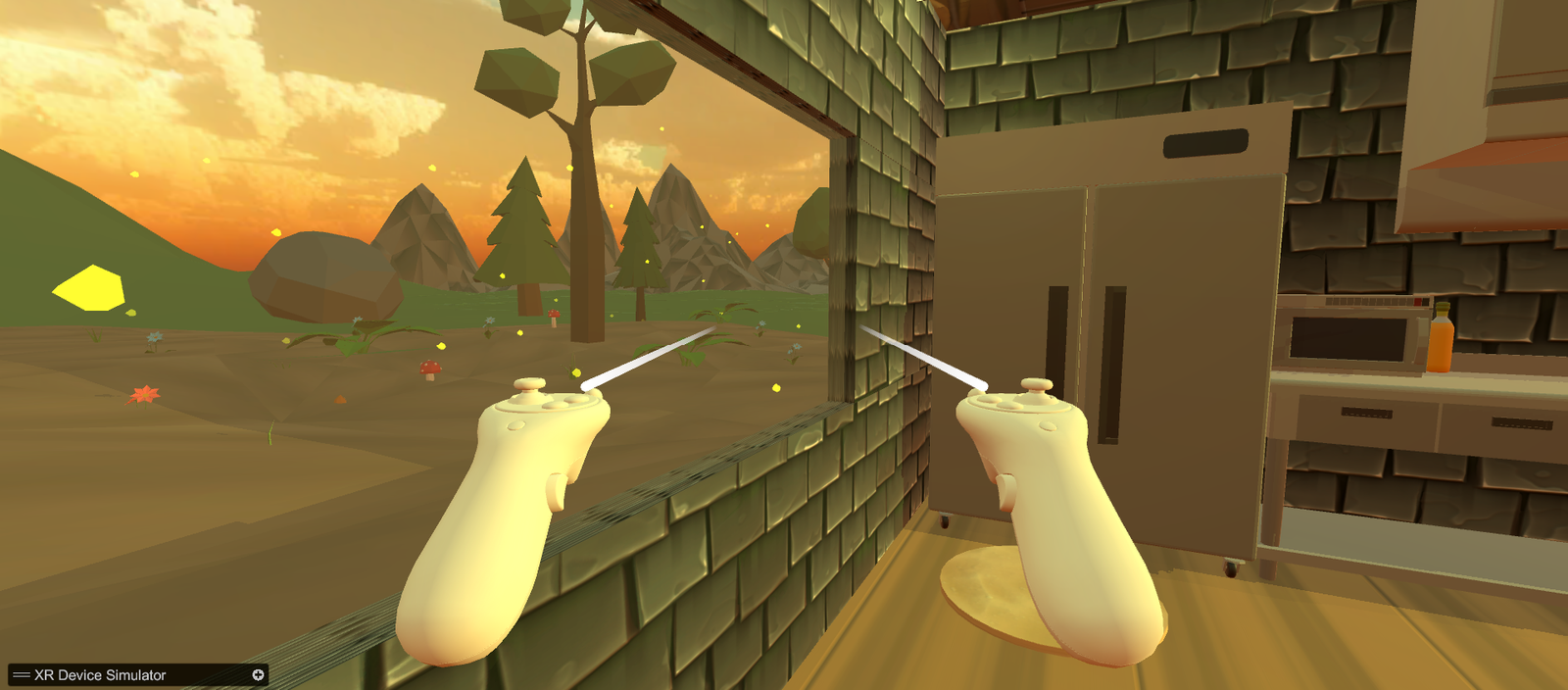
The prototype incorporates natural scenery, warm lighting, and ambient sounds to create a calming atmosphere that encourages relaxation and emotional comfort.
When the stove is activated, animated smoke appears above the grill, helping users understand that the appliance is operating and that cooking is in progress. Users can open the refrigerator door to access ingredients, creating a familiar and intuitive interaction that requires little instruction. During cooking activities, ingredients respond dynamically to user actions, providing immediate visual feedback. For example, steak changes colour from pink to brown as it cooks, helping users understand cooking progress and creating a more engaging and realistic experience. The prototype incorporates natural scenery, warm lighting, and ambient sounds to create a calming atmosphere that encourages relaxation and emotional comfort.

Concept

Merlion reimagines VR as a platform for connection rather than entertainment or training. Through collaborative activities, personalised spaces, and shared cultural experiences, it helps international students maintain relationships with family while fostering comfort, belonging, and emotional wellbeing.

Evolving the Concept

Early concepts explored how immersive environments could recreate the feeling of home through personalised virtual spaces filled with meaningful objects, photographs, and memories.

As the concept evolved, research and feedback revealed that familiarity alone was not enough to create meaningful emotional connections. While personalised spaces provided comfort, they lacked opportunities for genuine social interaction.

This insight shifted the project towards shared experiences. Through concept sketches, 360° storyboards, and early VR explorations, collaborative cooking emerged as the core experience because of its strong cultural, social, and emotional significance.

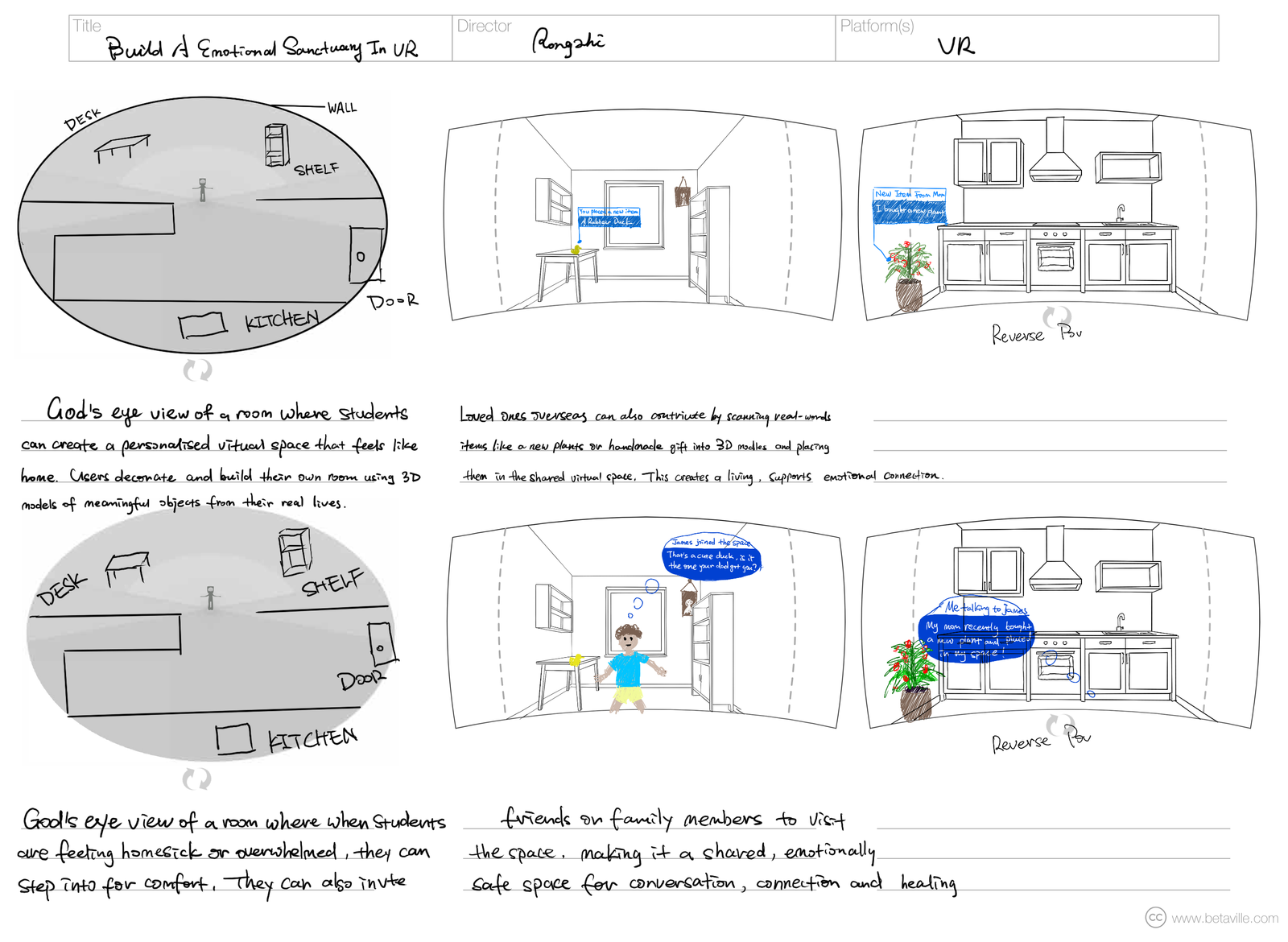
Early 360° VR storyboard exploring a personalised sanctuary designed to help students stay connected with loved ones.
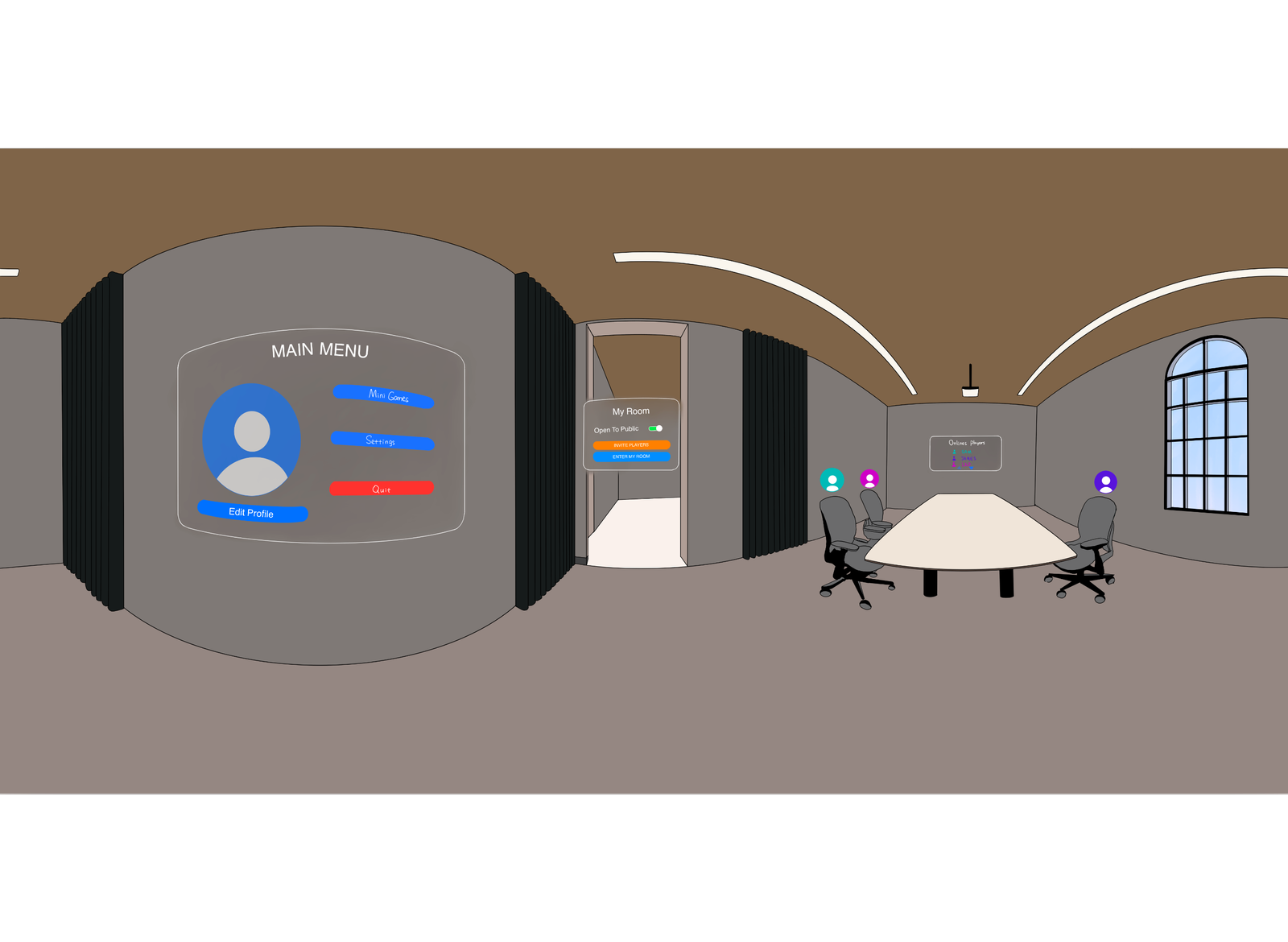
Shared Community Hub: 360° concept for a communal lobby where users could manage their profile, discover other users, and access shared experiences.
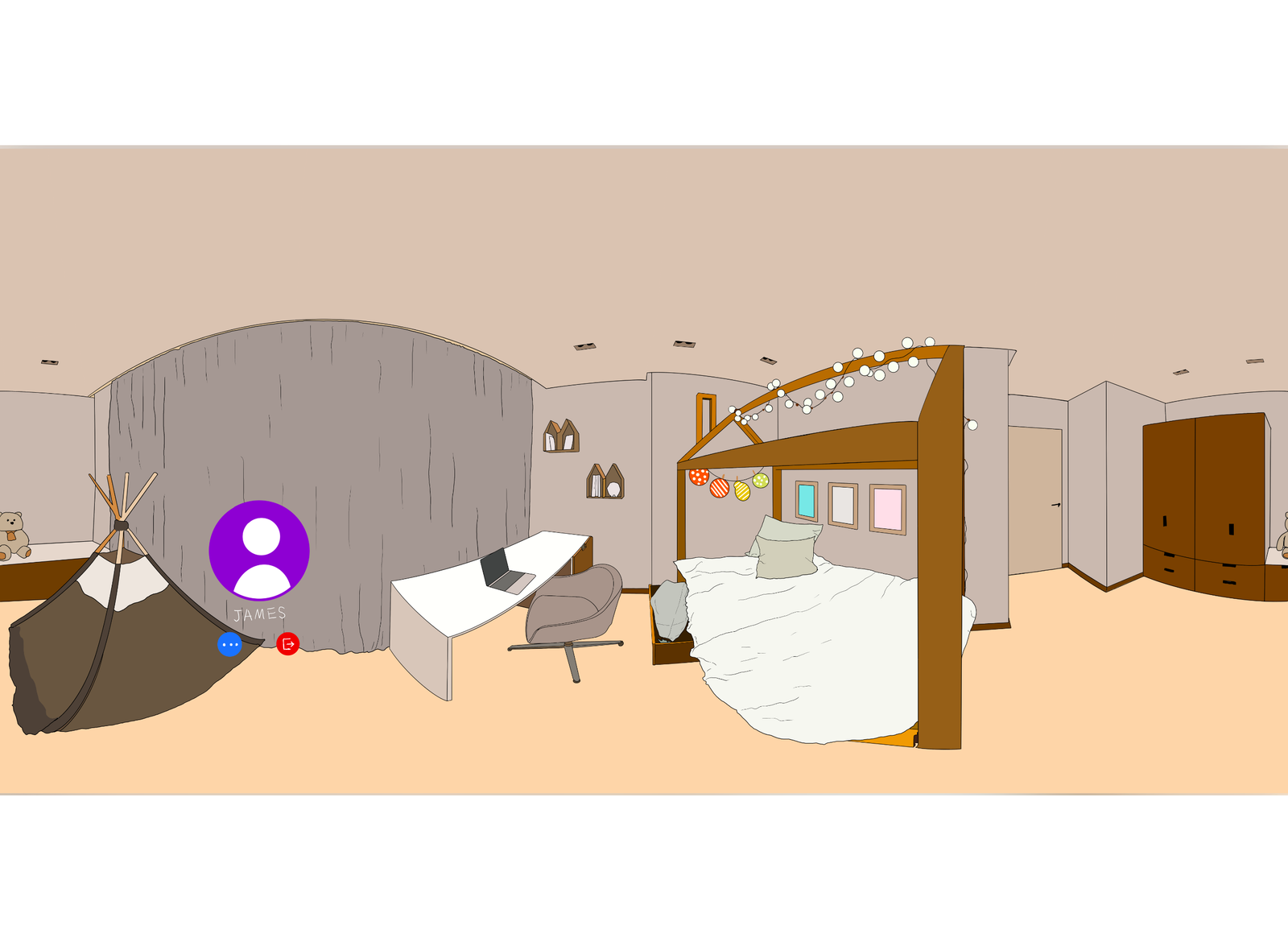
Social Connection Within Personal Spaces: Exploration of virtual visits, allowing friends and family members to enter shared spaces and interact with users remotely.
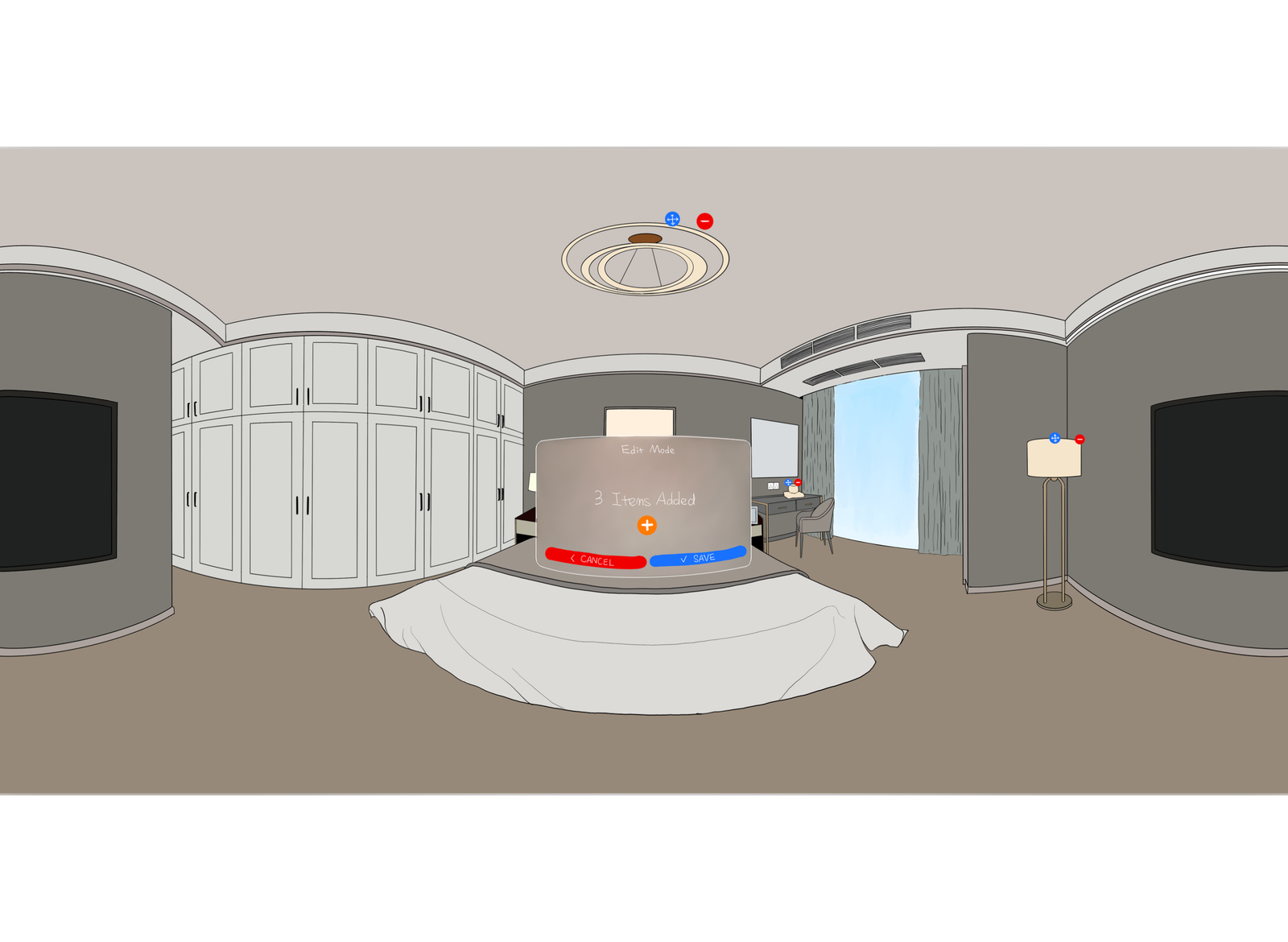
Personalised Bedroom Space: Early concept exploring a personalised virtual sanctuary where users could customise their space with meaningful objects and memories from home.
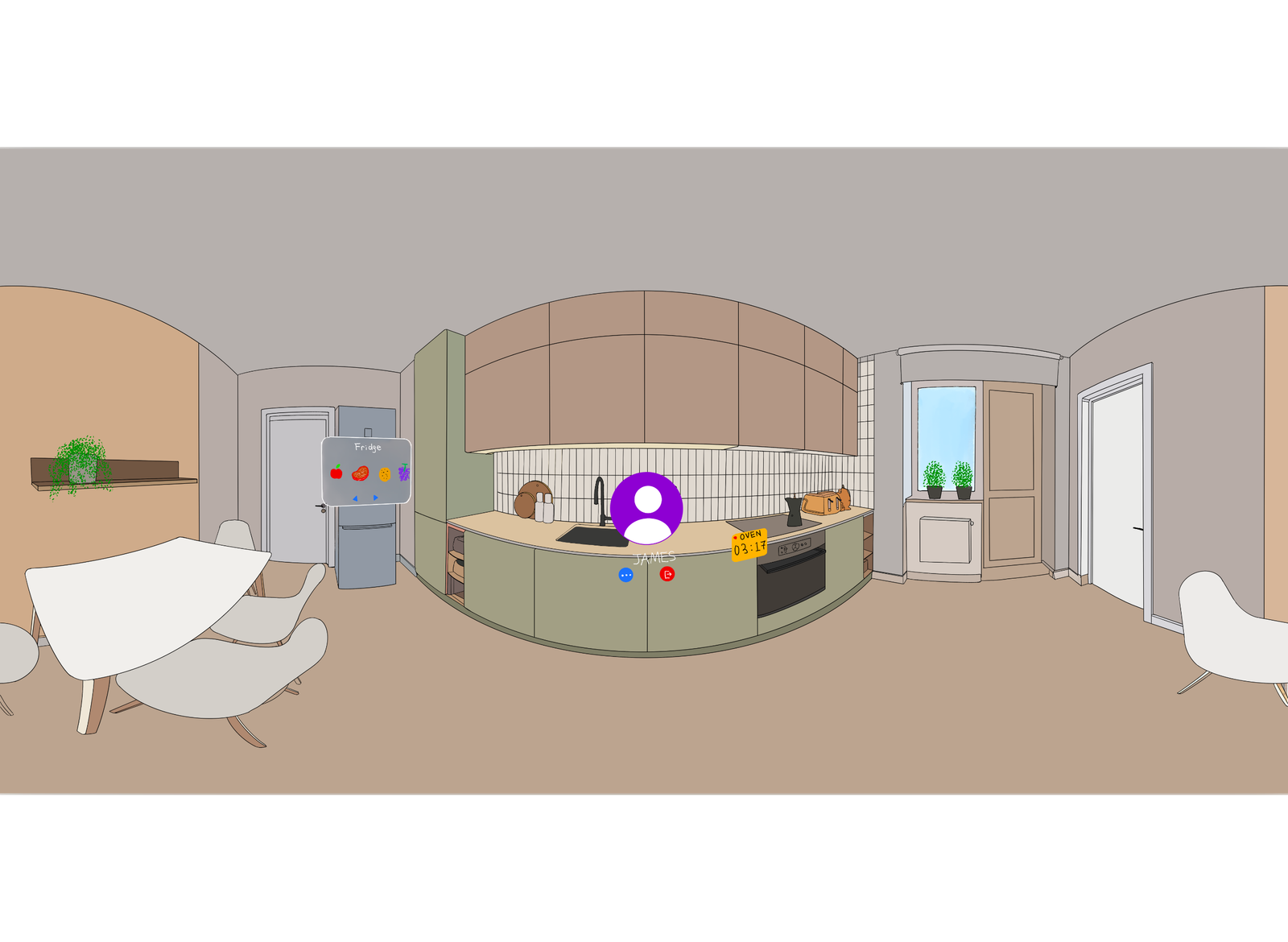
Collaborative Kitchen Experience: Early kitchen concept exploring collaborative cooking, shared interactions, and family participation within a culturally familiar environment.
Early 360° VR storyboard exploring a personalised sanctuary designed to help students stay connected with loved ones. Community hub concept exploring social discovery and shared experiences. Early exploration of virtual visits, allowing family members to share personalised spaces remotely. Personalised bedroom concept exploring emotional connection through familiar environments. Early kitchen concept introducing collaborative cooking as a shared cultural experience.

Prototype & Validation

To evaluate our concept, we developed a low-fidelity VR prototype focused on layouts, interactions, and user flow rather than visual polish. The simplified environment allowed us to validate key ideas quickly before investing in more detailed development.

Testing confirmed that collaborative activities created stronger emotional engagement than personalised environments alone. This reinforced our decision to centre the final prototype around shared cooking experiences, where users could naturally interact with family and friends through familiar cultural activities.

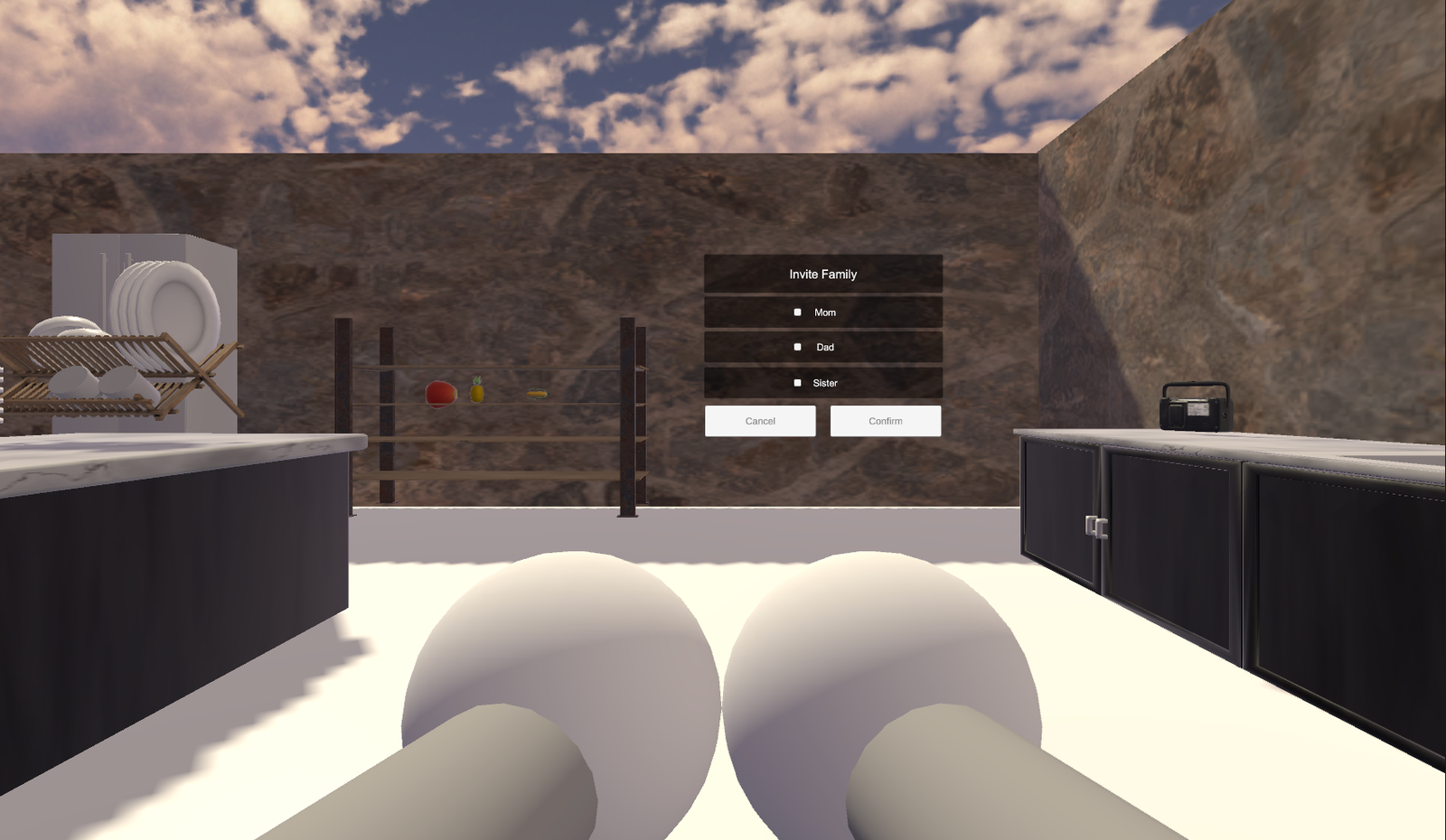
Invite Family: Early interface concept for inviting family members into the virtual space.
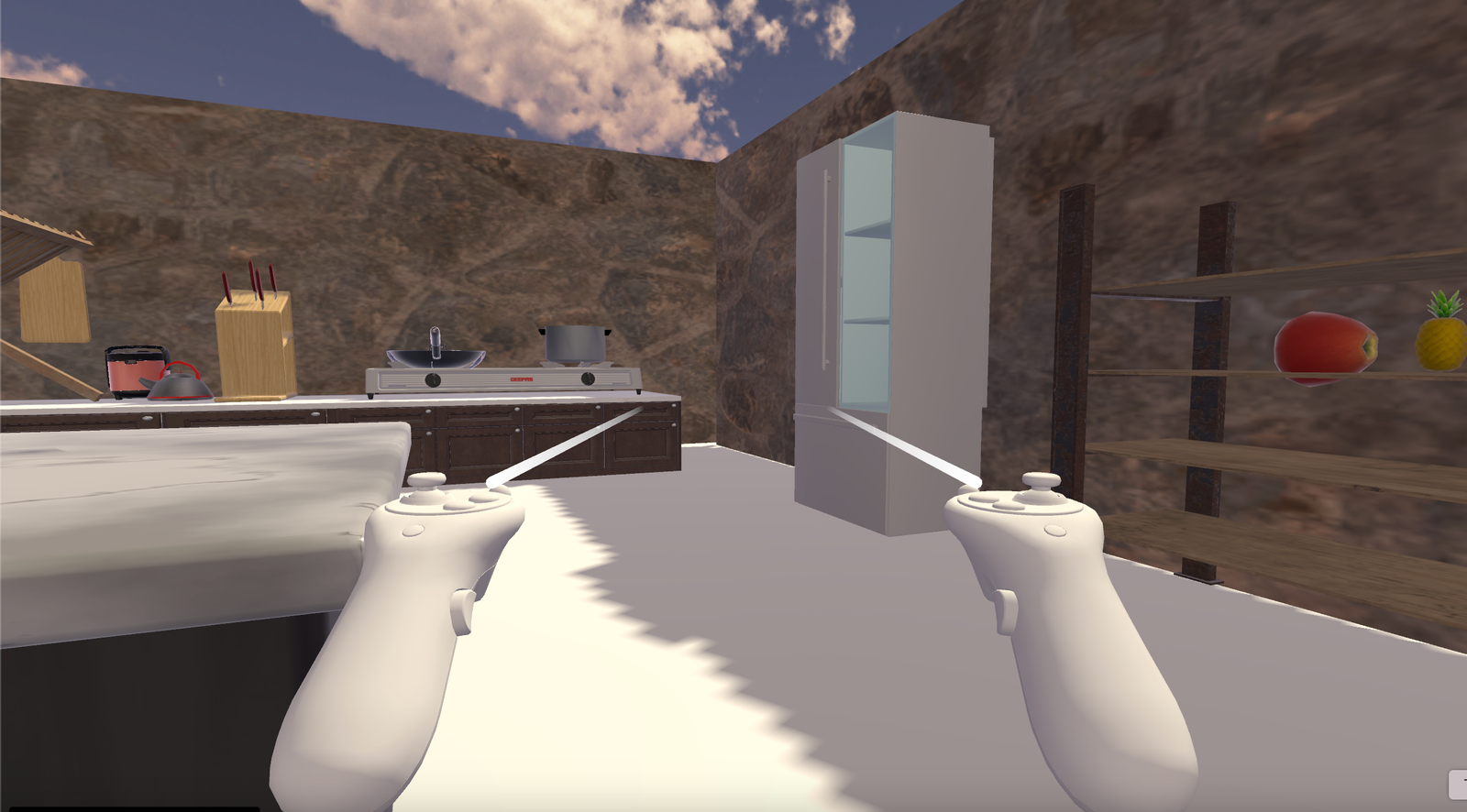
Spatial Layout Exploration: Open environment without a ceiling used to evaluate navigation and object placement.
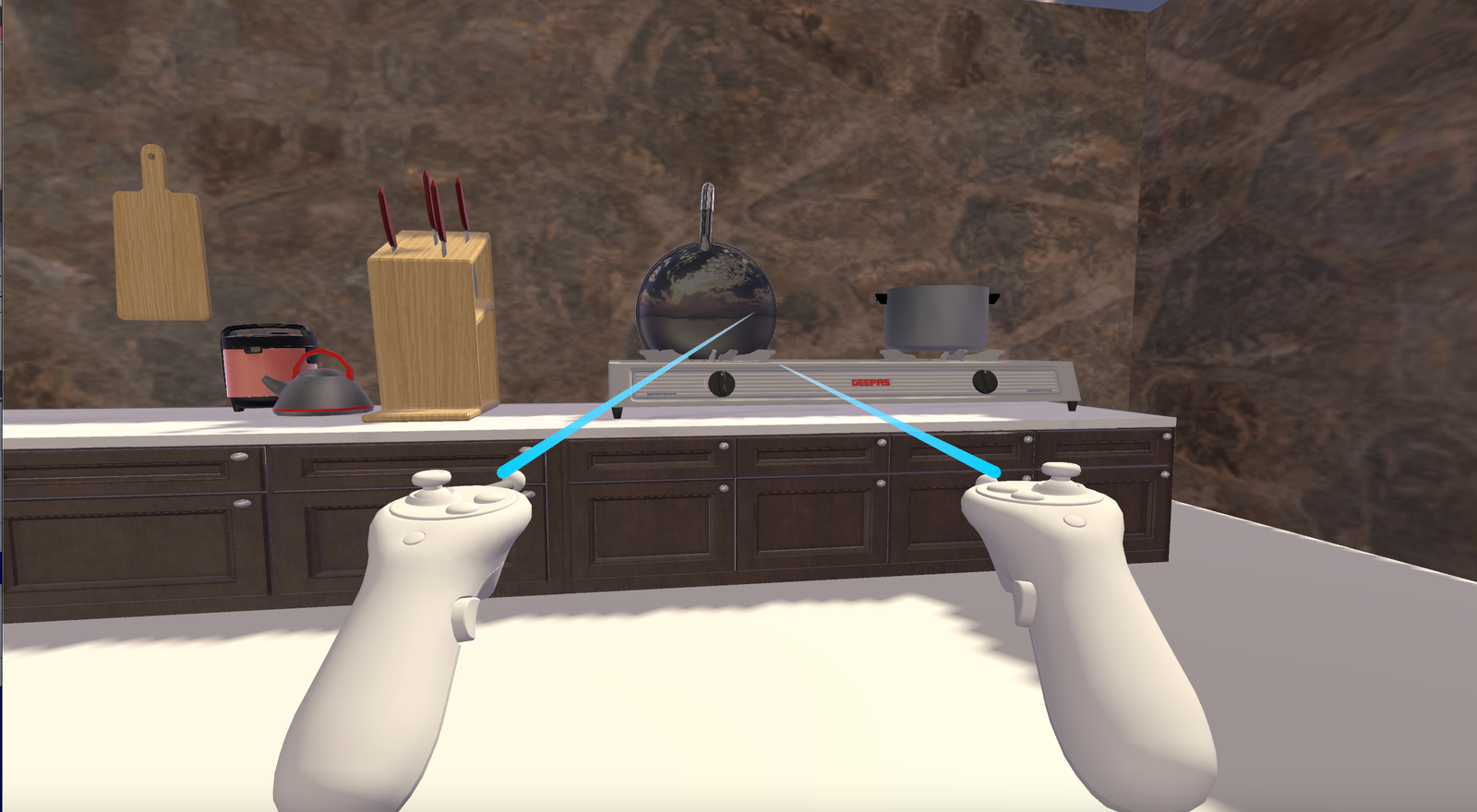
Low-Fidelity Interaction Testing: Prototype used to validate interaction concepts before implementing functional objects.
Invite Family: Early interface concept for inviting family members into the virtual space. Spatial Layout Exploration: Open environment without a ceiling used to evaluate navigation and object placement. Low-Fidelity Interaction Testing: Prototype used to validate interaction concepts before implementing functional objects.

Interaction Design

Interactions were designed to prioritise discoverability over complexity. Rather than relying on tutorials, familiar objects and natural controller gestures encouraged first-time VR users to intuitively grab ingredients, prepare food, and navigate the environment.

Visual feedback and environmental cues reinforced interaction possibilities while maintaining a strong sense of immersion throughout the experience.

Object Interaction: Ingredients can be picked up, carried, and positioned throughout the kitchen using controller-based gestures. This hands-on interaction encourages exploration and supports collaborative cooking activities within the virtual environment.
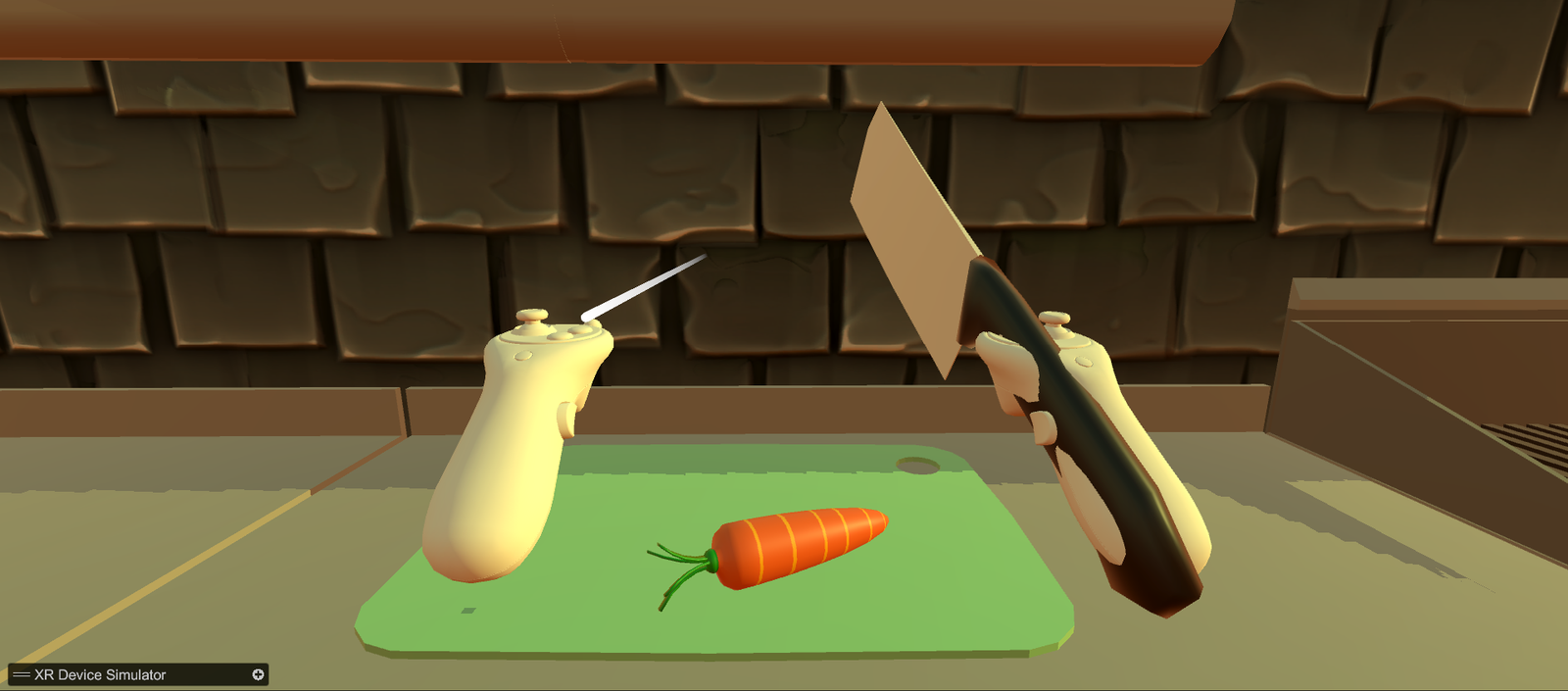
Object Interaction: Users can simulate cutting behaviour with ingredients using natural controller-based gestures.
Object Interaction: Ingredients can be picked up, carried, and positioned throughout the kitchen using controller-based gestures. This hands-on interaction encourages exploration and supports collaborative cooking activities within the virtual environment. Object Interaction: Users can simulate cutting behaviour with ingredients using natural controller-based gestures.

Prototype

The kitchen was chosen because cooking is a familiar cultural activity that naturally encourages conversation, collaboration, and shared memories. Rather than designing abstract social interactions, the prototype uses an everyday activity to create meaningful moments between family members living apart.

Developed in Unity, the prototype demonstrates how immersive environments can strengthen emotional connection through shared participation rather than passive communication.

Merlion VR Experience prototype interaction demo (recorded on Pico).

User Testing

We evaluated the prototype through moderated usability testing with five international students using a think-aloud protocol. Participants completed a series of tasks while verbalising their thoughts, allowing us to capture both usability issues and emotional responses.

Participants responded positively to the collaborative cooking concept, describing it as engaging, familiar, and emotionally meaningful. The sessions validated the core concept while highlighting opportunities to improve interaction feedback, environmental immersion, and future social features.

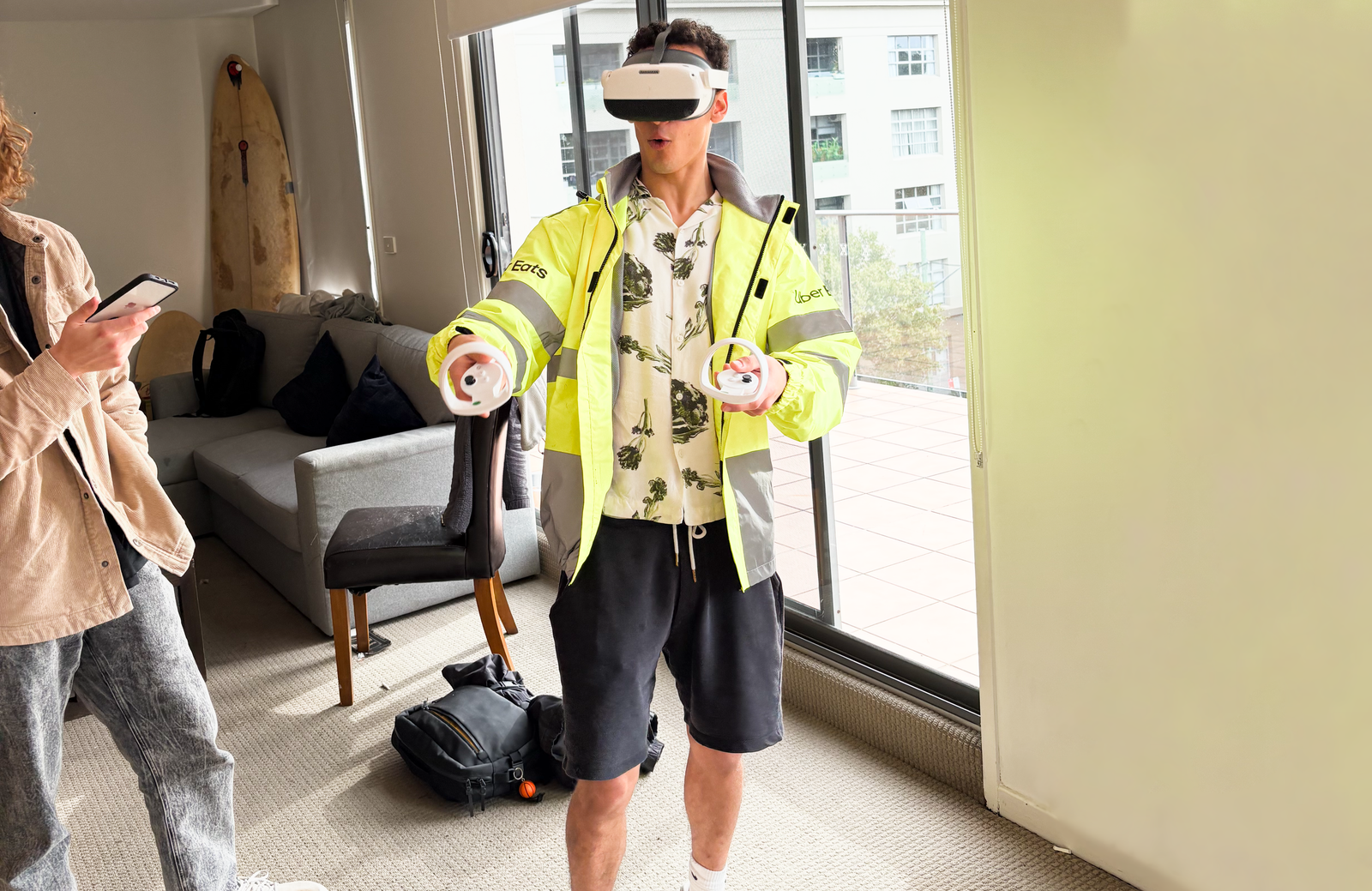
Participant testing the Merlion VR prototype using a Pico VR headset during a moderated usability session, completing assigned tasks while providing verbal feedback and sharing their experience through a think-aloud protocol.

Reflection

This project reshaped my understanding of immersive experience design. Early concepts focused on recreating familiar spaces, but research and user feedback revealed that emotional connection comes from meaningful shared experiences rather than virtual environments alone.

Through iterative design, prototyping, and user testing, I learned the importance of validating ideas early and designing technology around human relationships instead of the technology itself.